The idea of establishing an Art Center traces back to the 1980s when Paul Chiang resided in East Hampton, Long Island, New York. At that time, he hoped to briefly open his studio to share with others the beauty and inspiration he received from nature. The scenic environment of Jinzun, Taitung—nestled between mountains and water, overlooking the Jinzun coastline with a distant view of Green Island—made him clearly see the possibility of creating an open studio there.
In 2008, Chiang settled in Jinzun, Taitung. Around 2011, he began contemplating the idea of building an Art Center. Together with his wife, Fan Hsiang-Lan, they gradually acquired land surrounding their Jinzun studio by selling paintings and properties in installments. By 2014, Chiang took a significant step by donating his self-built residence and private land to propose the "Paul Chiang Art Center" project to the Taitung County Government. With the support of Stanley Yen, Chairman of the Alliance Cultural Foundation, and a group of entrepreneurs who shared his vision, the construction of the Art Center was set in motion.
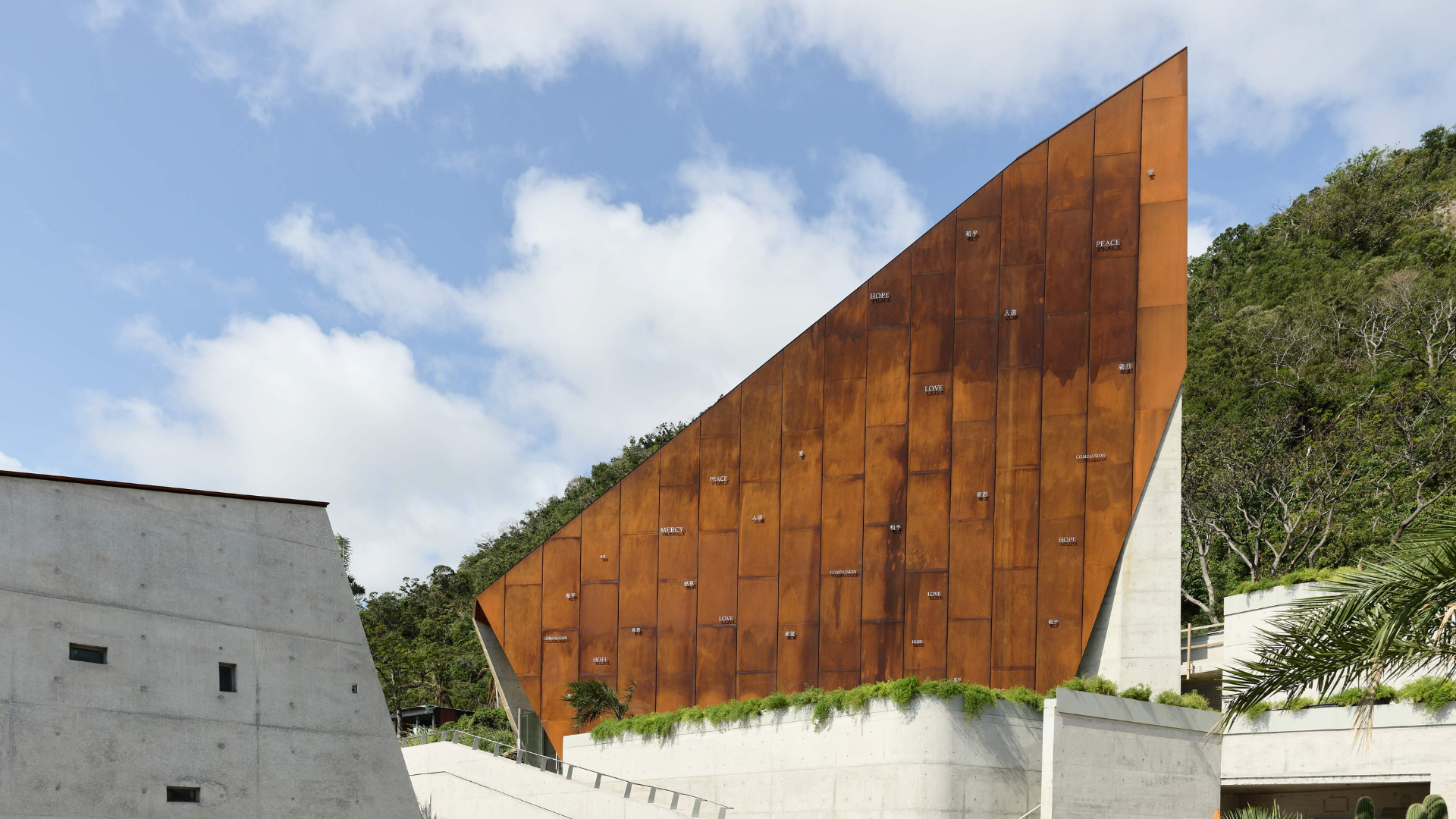
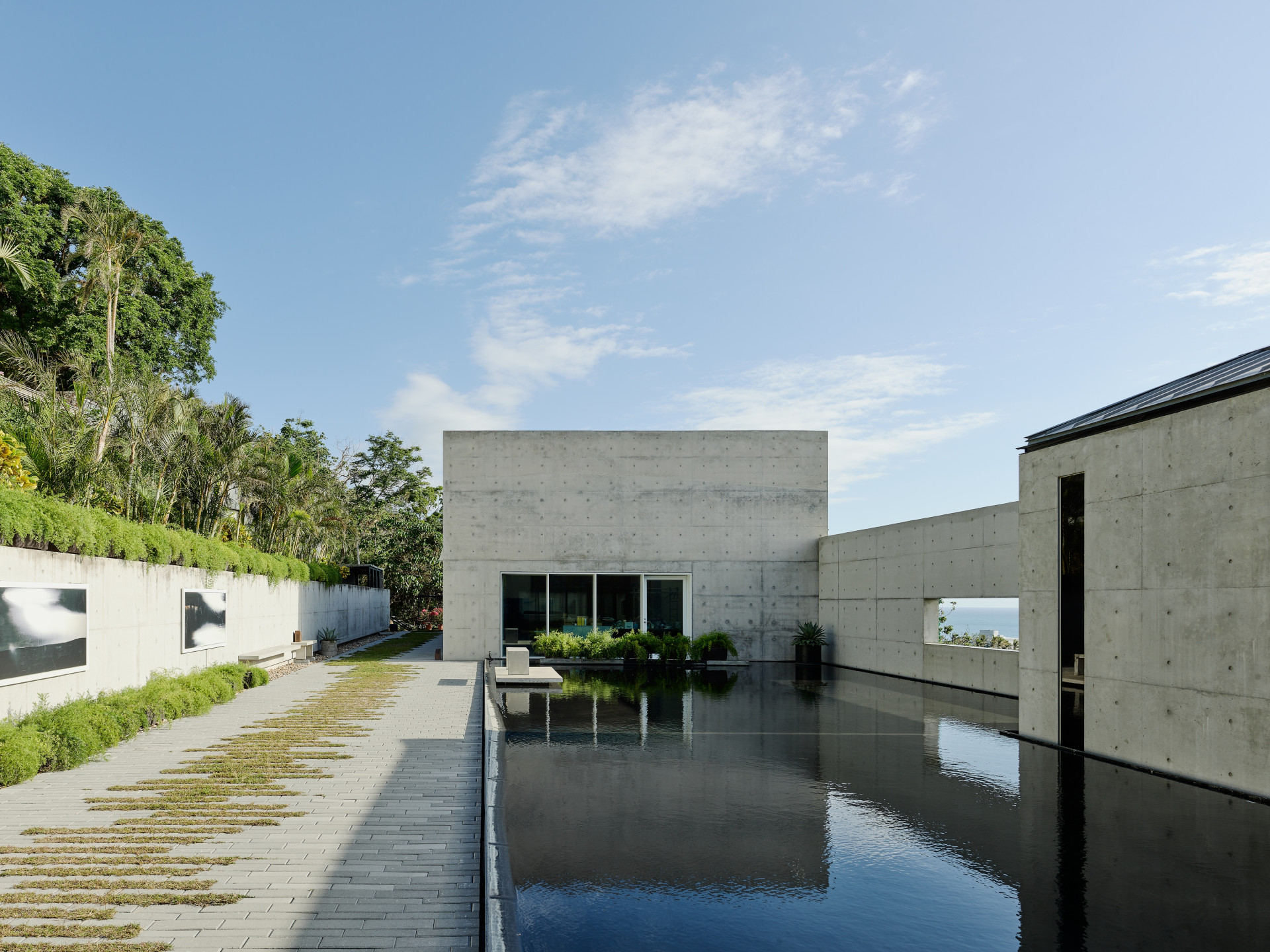
Chiang envisions the Art Center as a seamless integration of nature, art, and architecture, forming a landscape that is itself a work of art. Designed by Chiang in collaboration with architect Yu Han Michael Lin, who practices in both Taiwan and Germany, and constructed by Ming-Bin Liao, chairman of Fuguach Architecture, the project also benefits from the local design expertise of architect Wen-Jung Huang from Taitung. The Art Center harmonizes aesthetics, conceptual depth, and functionality, featuring a reception center, three exhibition halls, and a residency space for artist exchanges. Inspired by this vision, several collectors have donated Chiang's works to the Center's permanent collection. Chiang regards the Art Center as his most comprehensive lifelong work and hopes it will become a cultural and artistic landmark that connects the Hualien-Taitung region with the international art scene.